
Inflation is how much the cost of items has increased over the previous 12 months. For example, if a loaf of bread costs £1 one year, and £1.03 twelve months later, inflation on bread is 3%. In this article, we’ll discuss the current rate of inflation in the UK and how it is calculated. We’ll explore the link between the Bank of England interest rate and inflation, and what this means for mortgages.
Inflation in the UK
UK inflation has fluctuated wildly over the last few years. In October 2022, inflation reached a peak of 11.1%. This means the average price of items was a huge 11.1% higher than it had been in October 2021. This was the highest inflation rate the UK had seen for 40 years.

The target for UK inflation is 2%. Thankfully the rate in the UK has moved much closer to this target since 2021. The Office of National Statistics (ONS)* calculates the inflation rate each month, based on the prices of hundreds of items. This measure is called the Consumer Prices Index (CPI). In January 2025, inflation was calculated at 3.0%, and in February it was 2.8%. This small reduction in inflation rate does not mean that prices are falling. It simply means that they are increasing less quickly.
The Bank of England* have forecast that inflation will rise to 3.7% in the summer of 2025. It is then predicted to move back towards the target of 2% slowly, over the following months.
The link between interest rates and inflation
The Bank of England looks to manage inflation by increasing or decreasing their base interest rate. If inflation rises, the Bank of England increases interest rates. It is then more expensive to borrow money, meaning people have less money to spend. This lowers the demand for products, which in turn brings the prices down. The impact of prices that rise less quickly is that inflation will come down. The converse of this is also true. This can have a knock-on impact on the housing market, as mortgage rates are likely to rise if the Bank of England raises the interest rate.
What do inflation rate changes mean for mortgages?
Changes in inflation rates can have a significant impact on aspects across the financial landscape. This will include mortgage rates. Inflation can therefore be seen as a critical economic indicator. It does not directly impact mortgage rates, but its impact does. Interest rate changes to manage inflation will impact mortgage rates.
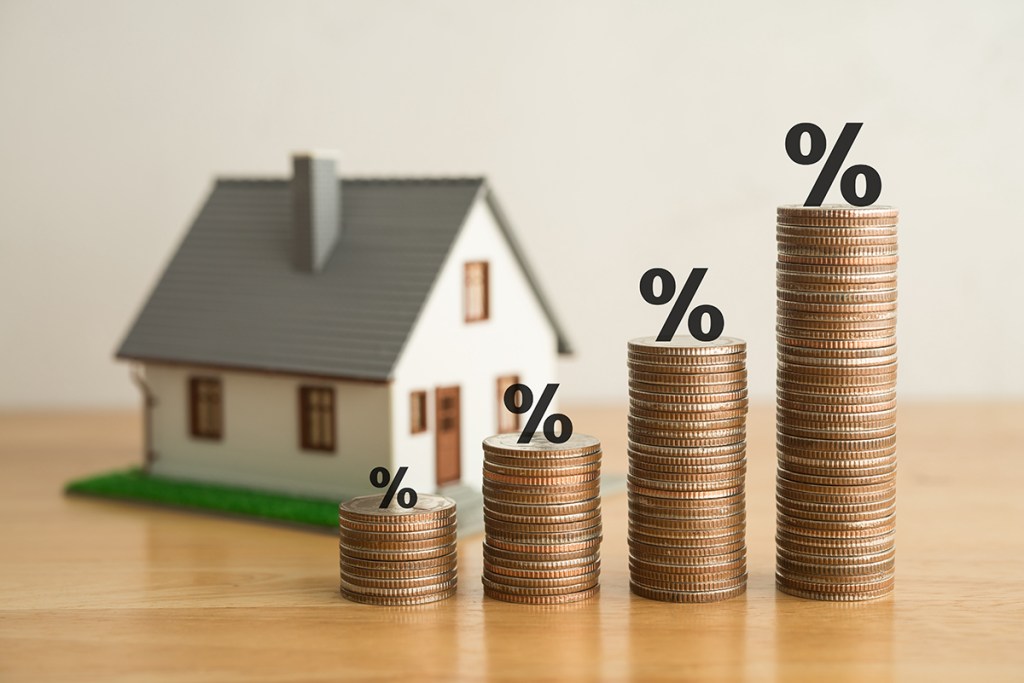
Fixed mortgage rates avoid being impacted by changes in both inflation and Bank of England interest rates in the short-term. However when your existing mortgage deal comes to an end, it could cause a significant rise or fall in your monthly payments. Variable and tracker rate mortgages will be impacted more swiftly by changes. Monthly mortgage payments may rise if interest rates increase in a bid to lower inflation. Equally, you may benefit from lower monthly mortgage payments if interest rates fall.
How can Bell Mortgage Solutions help you?
If you are planning to take out a mortgage soon, or re-mortgage an existing property, contact us. Bell Mortgage Solutions will help you determine if a fixed or a variable/tracker mortgage rate is more suitable for you. We will assess your financial circumstances and identify if the predictability of a fixed rate mortgage may be better for you. Our team will guide you through available options and offer our expert advice.
Please note: Your home may be repossessed if you do not keep up repayments on your mortgage.
* Please be aware that by clicking onto the above link you are leaving the Bell Mortgage Solutions website. Please note that neither Bell Mortgage Solutions nor PRIMIS are responsible for the accuracy of the information contained within the linked site accessible from this page.
The information contained within was correct at the time of publication but is subject to change.
 Bell Mortgage Solutions